
Amari is the founder and head writer of Wherever-I-Look.com and has been writing reviews since 2010, with a focus on dramas and comedies.
They followed that riddle into quieter places: a ferry where the crew traded gossip for songs, an attic full of unclaimed umbrellas, a laundromat where the spin cycle made time do a small, dizzying skip. Each detour suggested a new interpretation of “be new”: to forgive, to begin again, to trade one name for another. Sometimes being new looked like remaking an old thing with gentleness; sometimes it looked like walking away.
“Possibly a riddle,” Maki-chan said. maki chan to nau new
Maki-chan had always been most alive at the edges of things—the old train tracks behind her apartment, the narrow alley where neon signs hummed at midnight, the rooftop where pigeons made dignified circles around her. She collected small, glinting moments: a discarded lottery ticket, the exact sound of rain on corrugated metal, the tilt of a stranger’s smile. To friends she was bright and deliberate; to herself she was a cartographer of almosts. They followed that riddle into quieter places: a
He told her about a train that never reached its terminus because every passenger was carrying a single, unspoken regret; about a market that sold shadows as favors to be spent later; about a woman who stitched new names into the collars of abandoned coats so those coats would remember who they were. Maki-chan traded him pieces of her map: the exact angle of sunset on a certain bridge, a secret recipe for rice crackers, the memory of a child’s laugh that smelled faintly of oranges. “Possibly a riddle,” Maki-chan said
At dawn, they reached the river. The city’s reflection lay there like a folded map. Nau produced the paper crane from his pocket and set it on the water. It bobbed bravely, as if paper had practiced optimism. Maki-chan watched the crane drift toward a small wooden boat that held an old woman knitting something indeterminate. The woman looked up, smiled, and unhooked a single stitch—a small mercy.
“Lost?” Maki-chan asked because it felt like the right question to begin a story.
Amari is the founder and head writer of Wherever-I-Look.com and has been writing reviews since 2010, with a focus on dramas and comedies.
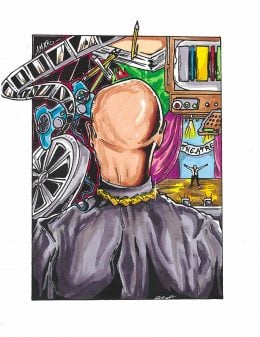
The overall goal of Wherever I Look is to fill in that space between the average fan and critic and advise you on what’s worth experiencing.
Welcome to Wherever I Look, your go-to destination for insightful and personable reviews of the latest TV episodes, movies, and live performances. Also, dive into our character guides and discover what’s truly worth your time.