

Bajri Mafia Web Series Download Hot !exclusive! -
“You have a good heart, Arjun,” Ranjeet said once when he walked into the mill uninvited, the scent of stale bajri in his nostrils. “But your heart will cost you. Pay up, or you’ll learn to regret being brave.”
The Syndicate noticed. Their leader was a man named Ranjeet—tall, always in sunglasses, with a voice that cut like a blade through a crowded market. He drove a shiny SUV that looked obscene against the mud of the lanes and wore a ring the size of a coin on his pinky. Ranjeet had come from nowhere and taken everything. He had a way of smiling right before he made a threat. bajri mafia web series download hot
But he was not a man to let opportunity pass; he pivoted to threats. He proposed a buyout of the mill and the miller. If Arjun accepted, the Syndicate would ensure route security and guarantee volumes. If he refused, they would make the mill’s life impossible. Hemant’s health made the decision heavier; the doctor’s bills were another pressure the Syndicate counted on. “You have a good heart, Arjun,” Ranjeet said
“We can’t give in,” Hemant told Arjun the first night Arjun returned. “They’ll take everything if we let them. But we can’t let this break us.” Their leader was a man named Ranjeet—tall, always
Months passed. The Syndicate did not vanish; it adapted. Where they used to control all sales, now they were denied the bulk of Kherwa’s bajri. They turned to petty extortion and to other villages that lacked Kherwa’s publicity. For Kherwa, the difference was survival. The Collective’s ledger grew thicker; Hemant’s cane was replaced by a gentler gait, and Suresh recovered enough to argue about cart repairs like a man reborn.
When Ranjeet’s men came to the edge of town now, they had fewer mouths to feed and fewer places to take from. They would find other towns to bully, other lanes to darken. But Kherwa had learned to build networks beyond fear. It had built customers who paid for stories and taste, and an infrastructure that kept some of the profit local.
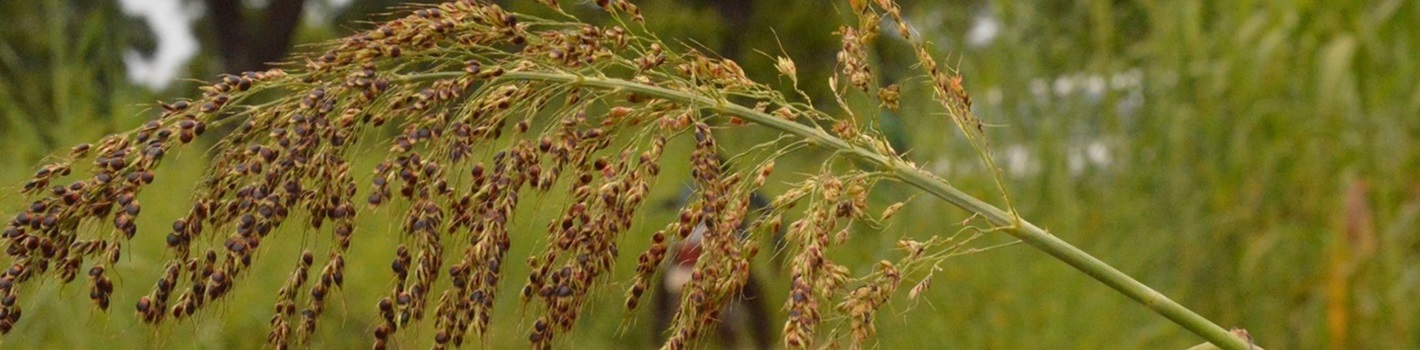
The monsoon had been late that year. When the rains finally came, they hit the cracked earth like a fist and turned the parched fields of Kherwa village into a patchwork of mud and shallow pools. Bajri — pearl millet — should have been the village’s quiet prosperity: hardy seed, simple crop, food for cattle and people. Instead, it had become currency, weapon and curse.

