 Home
Home睿能全成型
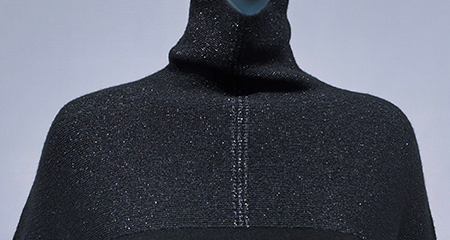
全成型无缝针织由一根或数跟纱线,用针织横机一次性编织出整件毛衫产品,整体线条优美、流畅,上身更柔软、舒适、轻盈
 400-0898-188
 Subsidiary Of The Group
Visual Characteristics APS C DV Shweta is characterized by rounded strokes, moderate contrast between thick and thin lines, and open counters (the enclosed or partially enclosed spaces within letters). These features contribute to legibility at small sizes and on lower-resolution displays or print. The overall rhythm of the typeface—spacing between letters and the balance of ascenders and descenders—tends to create a calm, approachable tone. Depending on its design variants, it may include multiple weights (regular, bold) and styles (italic or oblique), increasing its versatility for hierarchy in typography.
Comparisons and Alternatives While APS C DV Shweta offers cultural warmth, designers may consider alternatives depending on needs: for maximum portability, system fonts (e.g., Noto families for wide script support); for a similarly friendly tone with broad support, rounded humanist sans-serifs (e.g., Nunito, Muli); for formal government documents, more neutral serifs or sans-serifs with established institutional use. aps c dv shweta font best
Origins and Cultural Context The APS C DV Shweta font appears to be part of a class of fonts developed for regional and educational contexts, often used in print materials, signage, and digital content where a friendly and readable appearance is desirable. Fonts like this are frequently created to support specific scripts or to meet aesthetic preferences in local publishing and government communications. Their development is typically driven by a need for legible, culturally resonant type that works at a range of sizes and on varied media. Visual Characteristics APS C DV Shweta is characterized
The APS C DV Shweta font is a distinctive typeface that blends cultural expression with practical design. Though not as widely known as mainstream system fonts, it occupies an important place for designers, educators, and communicators seeking a font that conveys warmth, clarity, and regional character. This essay examines its origins, visual characteristics, practical applications, advantages and limitations, and recommendations for use. Depending on its design variants, it may include


Integrating process design, image processing, pattern design with various modules, this product can improve working efficiency from customer order to data generation and offer advanced drawing software for the textile industry.
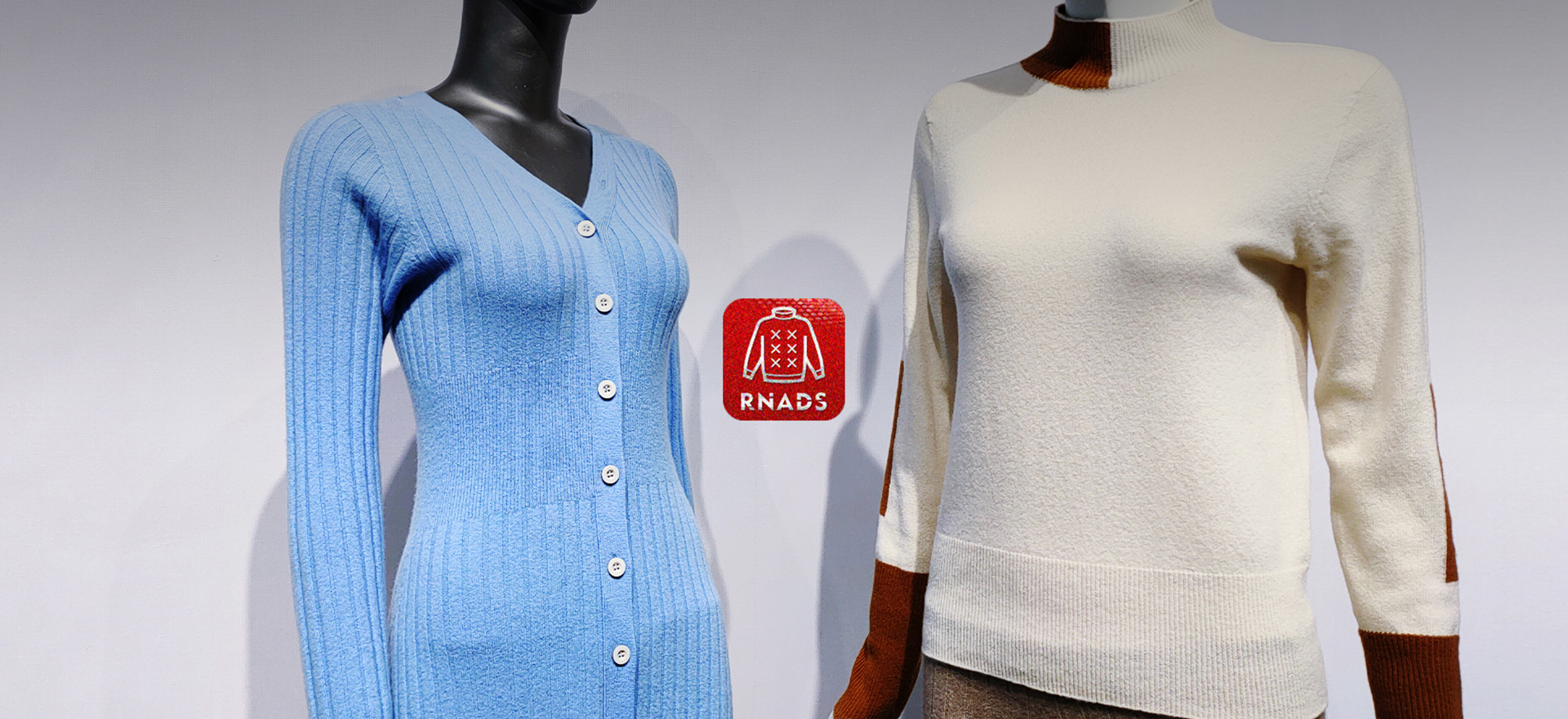
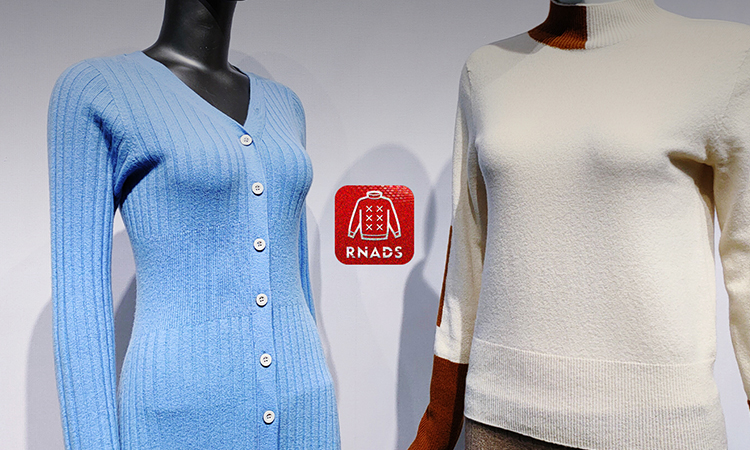
全成型无缝针织由一根或数跟纱线,用针织横机一次性编织出整件毛衫产品,整体线条优美、流畅,上身更柔软、舒适、轻盈
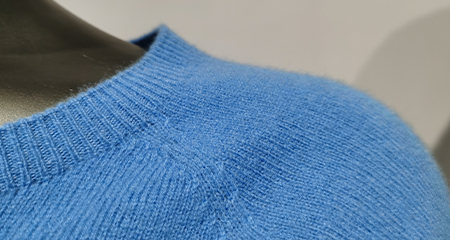
raglan sleeve
Polo.
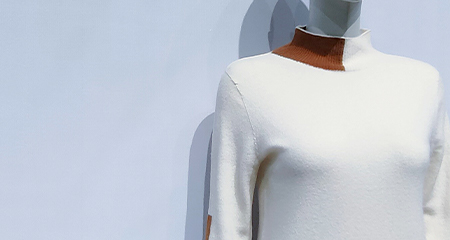
The system supports a great variety of styles and keeps pace with the fashion trend of whole garment knitting.
The system provides a variety of modules and reduces the threshold of whole garment plate making.
The system offers plate making of double-needle-bed and four-needle-bed machines for richer whole garment patterns.
The system supports plate making for a number of models (such as auto run and rake) to help user make more whole garment patterns.
If no model is available, the user can create their own model in the system.


系统支持多种花型文件转换,直接上机
Visual Characteristics APS C DV Shweta is characterized by rounded strokes, moderate contrast between thick and thin lines, and open counters (the enclosed or partially enclosed spaces within letters). These features contribute to legibility at small sizes and on lower-resolution displays or print. The overall rhythm of the typeface—spacing between letters and the balance of ascenders and descenders—tends to create a calm, approachable tone. Depending on its design variants, it may include multiple weights (regular, bold) and styles (italic or oblique), increasing its versatility for hierarchy in typography.
Comparisons and Alternatives While APS C DV Shweta offers cultural warmth, designers may consider alternatives depending on needs: for maximum portability, system fonts (e.g., Noto families for wide script support); for a similarly friendly tone with broad support, rounded humanist sans-serifs (e.g., Nunito, Muli); for formal government documents, more neutral serifs or sans-serifs with established institutional use.
Origins and Cultural Context The APS C DV Shweta font appears to be part of a class of fonts developed for regional and educational contexts, often used in print materials, signage, and digital content where a friendly and readable appearance is desirable. Fonts like this are frequently created to support specific scripts or to meet aesthetic preferences in local publishing and government communications. Their development is typically driven by a need for legible, culturally resonant type that works at a range of sizes and on varied media.
The APS C DV Shweta font is a distinctive typeface that blends cultural expression with practical design. Though not as widely known as mainstream system fonts, it occupies an important place for designers, educators, and communicators seeking a font that conveys warmth, clarity, and regional character. This essay examines its origins, visual characteristics, practical applications, advantages and limitations, and recommendations for use.
 400-0898-188


Raynen

Raynen Intelligence Control


